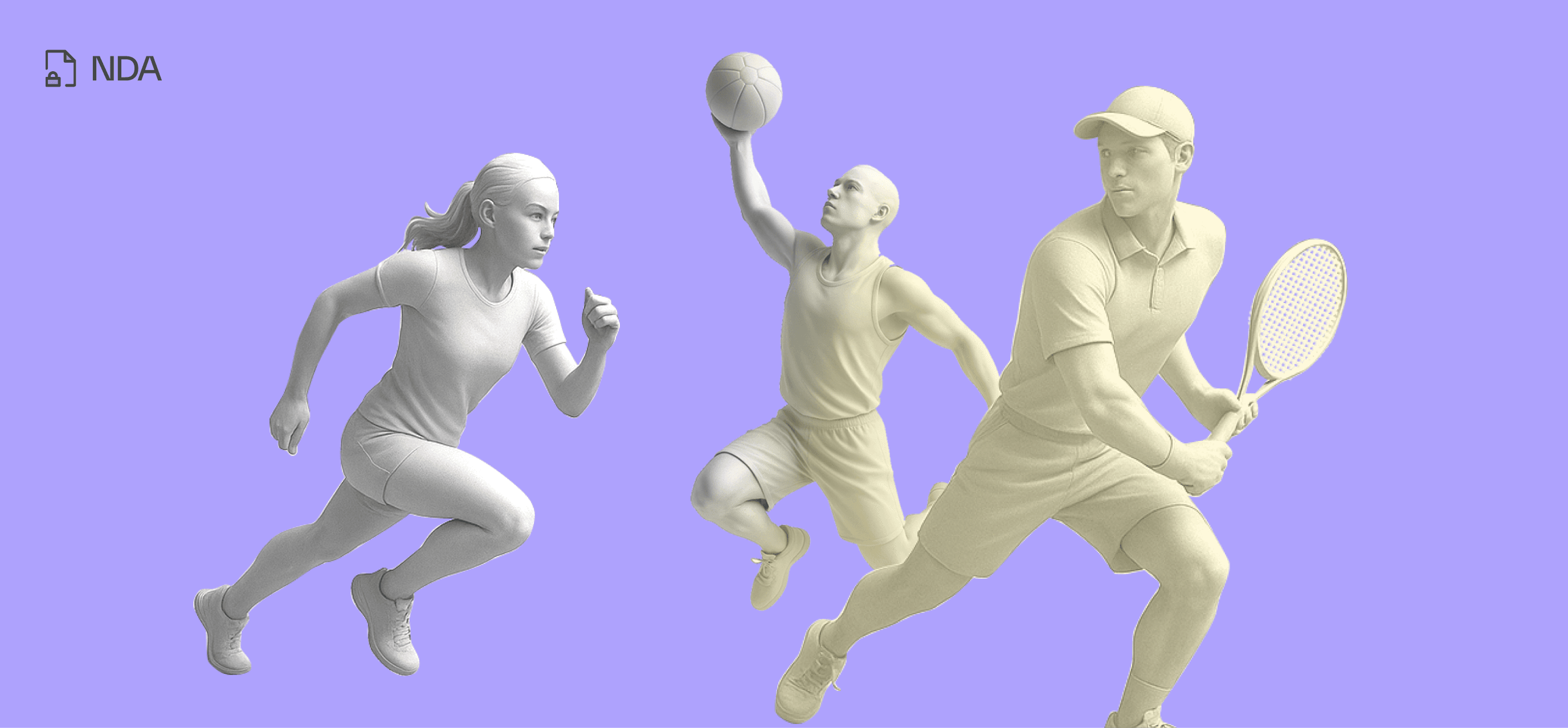

This global sports organization adopted a Headless CMS to eliminate developer bottlenecks and speed up publishing.
Thanks to a new design system that unifies UX across all platforms, editors can now launch content and campaigns faster using reusable and interactive modules.
Partnership goal:
→ To implement modern Headless CMS architecture with a frontend built using Next.js, allowing editors to publish content faster across all platforms without IT's involvement.
The client
This international sports organization is active in 200 countries and runs the world’s most-watched sports events, including a tournament that reached over 5 billion viewers in its most recent edition. Beyond tournaments, it runs a vast digital ecosystem delivering data-driven insights, development programs, and interactive tools for fans, businesses, and sports professionals worldwide.
130 million website visitors each year
3600 reusable modules used for 1200 news articles
400+ interactive rankings, maps, and charts created dynamically

INDUSTRY
Events

COUNTRY
Global

SERVICE
Web development, Cloud & DevOps, Design system integration
Business context
Before the partnership began, content operations were fragmented, slow, and heavily reliant on developers. Editorial teams had to go through IT for even minor updates, facing bottlenecks and long publishing cycles.
Much of the content was still delivered in static PDFs, which limited their interactivity and accessibility. There was also no centralized control over publishing, and each platform — whether web, mobile, or point-of-sale — required a separate content management process, leading to duplication and inconsistency.
Key pain points
Heavy dependency on developers for routine tasks like publishing landing pages or updating stats.
Repetitive work across platforms with no shared content source for web, mobile, or partner sites.
Lack of content flexibility to launch campaigns, update rankings, or adapt layouts.
Fragmented tools and systems for integrating search, comparison features, or third-party services.
Slow performance and inconsistent UX, especially on mobile (poor CWV scores).
Static PDFs and documents were the norm, with no live filtering, sorting, or user engagement.
Decentralized ownership, with different departments and vendors managing parts of the ecosystem
Limited ability to support multilingual content that the brand required for its global audience.
Solution
Team formation
A team of three full-stack developers worked closely with the client's internal and external teams. The collaboration followed an agile approach, with fast iterations based on real usage and editorial feedback.
Unlocking the full power of Contentful
At the start of the project, Contentful (a headless CMS) was used only for basic content needs. Editors still depended on developers to create pages, publish graphs, or make minor updates. Most content existed in static PDFs that couldn’t be sorted, filtered, or updated in real time.
The goal was to turn Contentful into a full-fledged publishing platform that empowered editors to build rich, engaging experiences, independent of developer involvement.
Technology choice
CMS (Contentful)
Next.js
TypeScript
Azure
One system to manage all content
Previously, the content ecosystem was fragmented. Different vendors managed separate sites and microsites, each with their infrastructure. We centralized all publishing under Contentful.
Now, editors work from one unified platform instead of juggling multiple systems or relying on outside vendors for content changes.
Process
Developer-independent workflow
We built a content system that requires no developer support for day-to-day publishing. Our approach:
we first transformed static PDFs into interactive modules,
then, we migrated scattered content into one centralized CMS,
our team gave editors building blocks for creating landing pages, news, visual reports, and more,
the new content system replaced rigid templates with flexible, reusable components.
Clients’ editors can launch an entire campaign or publish an interactive report without writing a line of code.
From static to reusable
Previously, many digital experiences were hardcoded with limited reuse. We migrated these into Contentful as flexible modules:
Charts and graphs now pull directly from structured data
Interactive world maps can display any dataset editors choose
PDF data is now filterable and sortable on the go
This shift allowed content teams to repurpose content quickly, improving speed and scalability.
Reusable modules across all sites
News & blog modules – combine text, video, and social content
Interactive charts – display, sort, and compare data
Live dashboards – real-time content switching (previously shown as a hard-to-read PDF table)
World rankings – categories include professional landscape modules
Editable maps – embed any dataset and customize visuals (e.g., for impact or activity maps)
Interactive charts – Excel-based data transformed into real-time tables and graphs, e.g., financial reports
On-demand landing pages – every campaign landing page is now built in hours; no developer support was needed at launch
Tournaments & events – reusable blocks for editable media and data
Multilingual support – fully supports multiple languages, including right-to-left Arabic
Each module functions like a LEGO block, which editors can combine freely to create complex content.
Global design system
We implemented a shared design system that ensures consistency across multiple websites and apps. Components are reused across domains to maintain visual harmony and improve the editor workflow and the user experience.
Editors enjoy a faster, more intuitive publishing process
Users benefit from a seamless, consistent experience
The system powers everything from articles and rankings to interactive tools
Developer-independent workflow
The organization hosts some of the most high-profile events in global sports, including press conferences and congresses.
Previously, managing live content (like agendas, overlays, and replays) required coordination with vendors and external tools.
We moved this entire workflow into Contentful:
Editable live agendas – update event schedules mid-stream
Dynamic overlays and tickers – control what appears during live sessions
Replay setup and content toggles – mark segments, schedule replays
No developer required – all handled in Contentful with custom modules
This enabled editors to manage live events independently and in real time, with full editorial control.
Read similar case studies
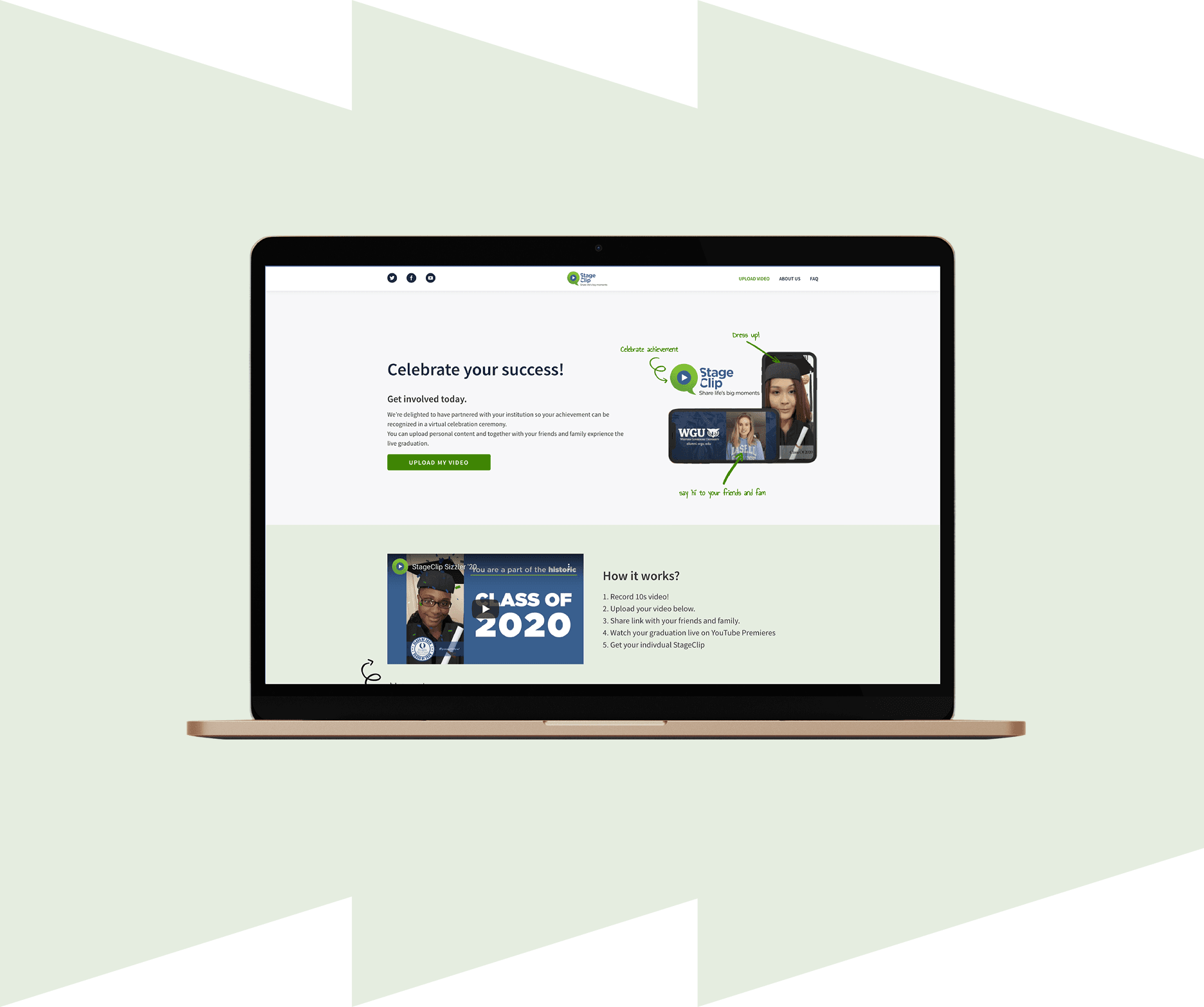
→ StageClip scaled up their SaaS product on time to onboard 500 new clients
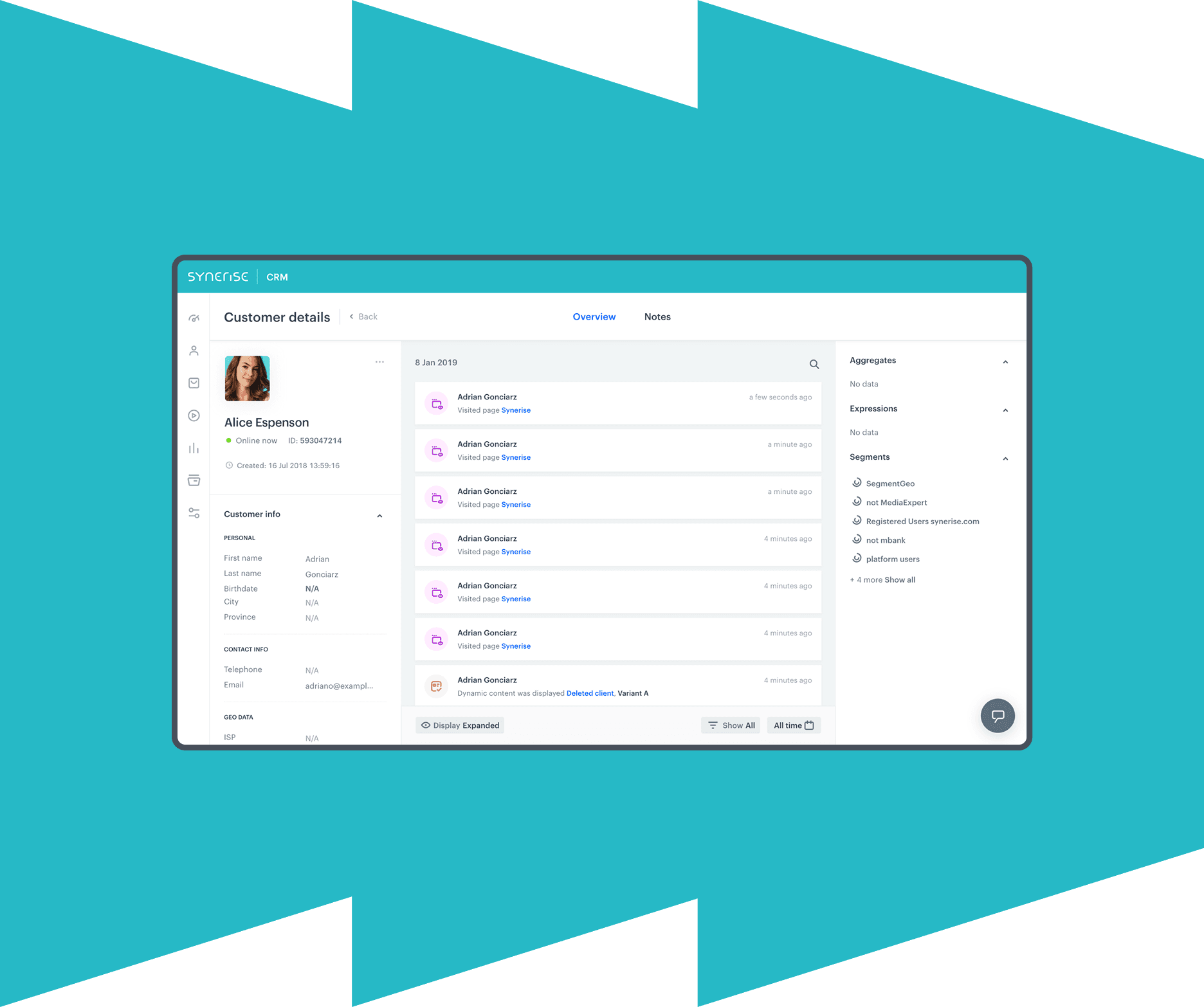
→ Synerise implemented UI components in Storybook so they can iterate faster
Outcome
→ Editors now build and publish content themselves using reusable modules in Contentful.
→ Pages, maps, charts, and live event content can be launched in minutes, not days.
→ All websites are managed centrally, with a unified design system and fully localized support.