
6 March 2026

Legacy system modernization: How CTOs choose the right tech stack, architecture strategy, and software partner

Andrzej Wysoczański

9 min read

When legacy systems start to become a business problem rather than just a technical headache, CTOs face a decision that's way beyond just writing code. The fact is, technical debt can be a massive issue for companies.

According to McKinsey & Company, it can account for a whopping 20-40% of a company's overall tech costs.

At this stage, the question is no longer if you should modernize, but how you make the right calls along the way.

TL;DR

  • 79% of modernization projects fail without a clear plan, while technical debt can consume 40–50% of IT budgets;

  • Most companies modernize incrementally – 85% update systems step by step, and 47% start with replatforming before refactoring.

  • External expertise plays a major role – 66% of modernization projects involve partners

Why legacy modernization fails before it even gets going


For loads of organisations, legacy systems are no longer just a technical problem - they’re a business headache. Technical debt can account for 40-50% of a company’s tech costs. And that’s a staggering amount.

The question on the mind of many a CTO is no longer “should we modernise our legacy systems” – it’s “how do we make the right calls on the way to success”? A comprehensive assessment of legacy software is essential to identify security vulnerabilities and integration challenges before starting any modernization project.

Aligning modernization initiatives with business objectives and desired outcomes is key to ensuring project success and maximizing the value of your investment.


The real challenge of legacy system modernization


Let's get down to brass tacks: legacy system modernization doesn't fail because of old code. The real challenge for CTOs is figuring out the right strategy - and making sure that their tech decisions actually deliver real business value.


The "Code and Load" trap


So many teams just want to rewrite a system because the code looks outdated. CTOs get projects where legacy apps are just moved to a new language or platform without changing the underlying architecture.


However, simply moving code does not optimize existing code or improve software architecture, leaving maintainability and performance issues unresolved.


But this “code and load” approach just moves the same old technical debt into a shiny new environment - without delivering any real business benefits like return on investment or a better customer experience.


Refactoring and optimizing existing code, with a focus on software architecture, can lead to improved performance and scalability, ensuring the system can handle modern traffic loads and deliver a reliable user experience.


Legacy complexity and the rewrite myth


For nearly 50% of all tech organisations, legacy system complexity is the main barrier to modernisation. Legacy application modernization is a complex process that requires careful planning to manage numerous challenges, risks, and technical hurdles while ensuring system integrity and minimizing downtime.


Because of this, teams often assume the only solution is a full rewrite. But for CTOs, this is usually the most high-risk option – it’s expensive, it takes years and can even bring product development to a grinding halt.


Risk management is crucial during legacy system modernization to minimize disruptions and address potential failure points, often involving stakeholders such as risk management and compliance officers to ensure a smoother transition.


Operational fragmentation and domain knowledge loss


And it’s not just the tech that causes problems – modernisation also creates organisational challenges. Digital product teams and traditional IT teams often have different processes and ways of working, creating silos.


Development teams and software developers play a crucial role in successful modernization projects, as their expertise is essential for upgrading legacy systems, addressing technical debt, and ensuring new architectures support agility and innovation.


And when you factor in external partners who are involved in two-thirds of enterprise application modernisation, you can see the potential for trouble.


Skill gaps and knowledge transfer issues often arise when transitioning from legacy systems to new platforms, especially if familiar personnel are lacking. Engaging stakeholders and involving both IT and business teams, as well as development teams, is essential to effectively manage change and ensure alignment throughout modernization projects.


CTOs need to make sure internal teams are still involved so that they can preserve all that critical domain knowledge about business processes and regulatory constraints.

The key architecture decisions CTOs need to make


Modernising legacy systems is not just about throwing tech at a problem – it’s about making informed architecture decisions that balance risk, delivery speed and long-term business value. 


A comprehensive assessment should include auditing existing applications, the existing codebase, databases, and dependencies to determine the best modernization path. Identifying integration points is crucial, as these serve as key connectors between legacy systems and modern infrastructure, enabling gradual replacement or integration of legacy functionalities. 


It’s also important to recognize that legacy systems often have interdependencies with other applications, which must be carefully managed to avoid disrupting business processes. Most modernisation initiatives come down to three critical choices.


Refactor or rebuild?


The first decision is what to do with that legacy code and technical debt. Organisations typically go through the 6R model and decide whether to Retain, Retire, Rehost, Replatform, Refactor or Rewrite. And, guess what?


Most companies go for incremental modernisation instead.

The state of application modernization from Red Hat shows:

  • 85% of applications get modernised through bit-by-bit approaches.

  • 47% of companies first Replatform and only then Refactor


Monolith vs modular architecture


Another key choice for CTOs is how to structure the systems. Many legacy environments rely on monolithic architectures where all the components are tightly connected and even small changes are a risk. 


But modern systems are moving towards modular architectures using microservices, containers and lightweight integrations. This lets teams release features much faster and scale individual components independently.


According to McKinsey & Company, legacy systems and technical debt can consume 40–50% of total IT investment. Adoption of containerization is also increasing rapidly, with 34% of professionals using it today, up from 18% just a few years ago.


For a lot of companies, modular architecture means faster delivery and better scalability.


Choosing the right tech stack


And finally, there's the question of choosing the right technology stack. CTOs need to decide what to build in-house and what to use from existing platforms and services. 


Rather than building everything from scratch, many companies combine SaaS, open source tools and cloud platforms to speed up development and reduce costs.

  • 65% of companies are using more open source software according to Future of Open Source Survey

  • Cloud infrastructure can reduce TCO by 40-50% compared to on-premise environments according to Modernizing IT for digital reinvention by McKinsey

The role of external engineering partners


When CTOs are faced with the challenge of modernising their legacy systems, they often need the support of external software partners. But who should they partner with – and what do they need to be looking out for?


Research by Red Hat shows that external partners play a key role in many modernisation projects – a staggering 66% of them, to be exact. 


And it's not that hard to see why – when internal teams are struggling to keep up with the complexity of an application, they often start looking for some outside help.


When it's time to bring in a Software Agency


Most organisations only seek out external expertise when their platform starts getting too unwieldy and internal teams need to focus on what really matters. 


For example, the Flexera 2025 State of the Cloud Report shows that around 60% of organizations rely on Managed Service Providers (MSPs) to manage parts of their public cloud environments – allowing internal teams to focus on core product and business initiatives.


Why the In-house team just may not cut it


The truth is, internal teams often don't have the expertise to deal with the latest developments in cloud architecture, modernisation strategies or the ever-shifting landscape of AI-driven development. 


That's where agencies come in – they've got cross-project experience and tried-and-tested approaches that can really speed up transformation and reduce the risk of things going wrong.


Finding the right modernisation partner


The thing is, successful modernisation is all about collaboration, not about handing over all the work to an external team. 


The internal team needs to stay involved to provide their domain knowledge, while the agency contributes some much-needed architecture expertise and delivery experience. 


And at the end of the day, the best partnerships are those that are focused on shared outcomes – making sure that, in the long run, everyone's getting the kind of value they want, without breaking the bank.

Picking the right tech when you're legacy modernising


Legacy modernisation is a nightmare for CTOs – it forces them to make some really tough choices about technology. The goal, of course, is not to be the first on the block with some shiny new tool – it's to build an architecture that will simplify things, speed up delivery and give you the scalability you need. 


Three pointers stand out when it comes to making those all-important tech choices.


Don't rebuild everything from scratch


The modern stack is a weird and wonderful beast – it combines SaaS, open-source tools and cloud platforms in strange and fantastic ways. 


When it comes to building non-core systems, it's all too easy to end up with technical debt and long-term maintenance costs that are just unsustainable.


Look for experience, not just capacity


When it comes to choosing a partner, don't just look at how much delivery capacity they've got - look at their experience with modernisation. 


The best partners are the ones who've got a proven track record, a deep understanding of architecture and the ability to bring a bit of cross-project magic to the table.


Choose tech that simplifies things


At the end of the day, your tech choices should be all about reducing operational complexity and lowering your total cost of ownership. 


And that often means opting for cloud platforms, managed services and proven open-source ecosystems that let your team focus on what really matters : product development.


Explore some of our modernization success stories below


eSky: backend modernization for faster market expansion


eSky’s legacy backend limited the company’s ability to launch new travel products quickly. TSH team migrated the platform architecture to Symfony, enabling faster development and better scalability.

  • New markets launched in 2 weeks instead of 2 months

  • Backend architecture prepared for rapid international expansion
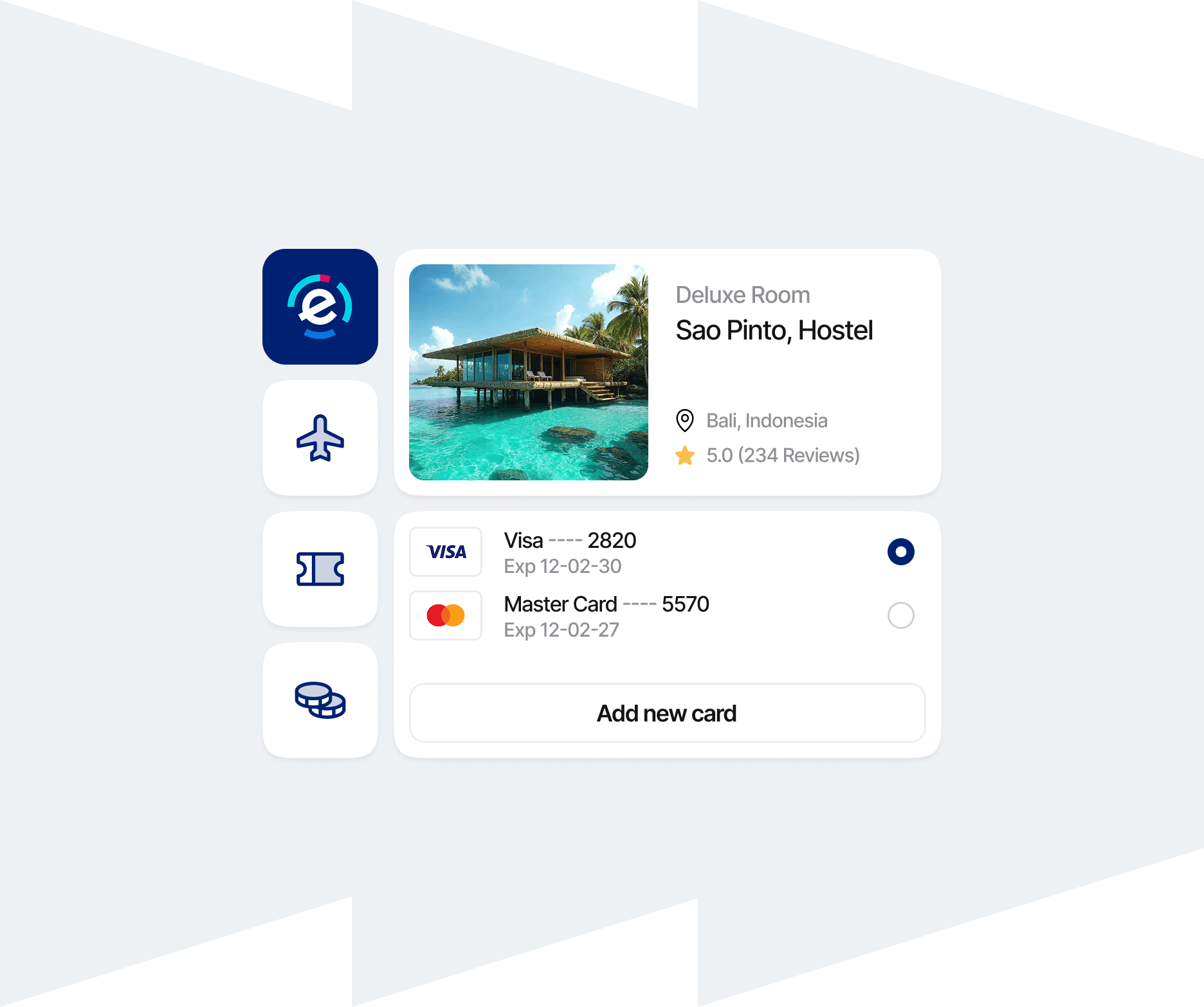
A remade backend cut eSky's time to market by 75%

Travel
Modernization

Reservix: CMS modernization for 7,000+ event organizers


Reservix needed to remove technical barriers that prevented event organizers from launching event pages quickly. The Software House rebuilt the CMS with a scalable, headless architecture and automated landing page generation.

  • Platform prepared for B2B expansion to other ticket distributors

  • Landing pages created without technical knowledge
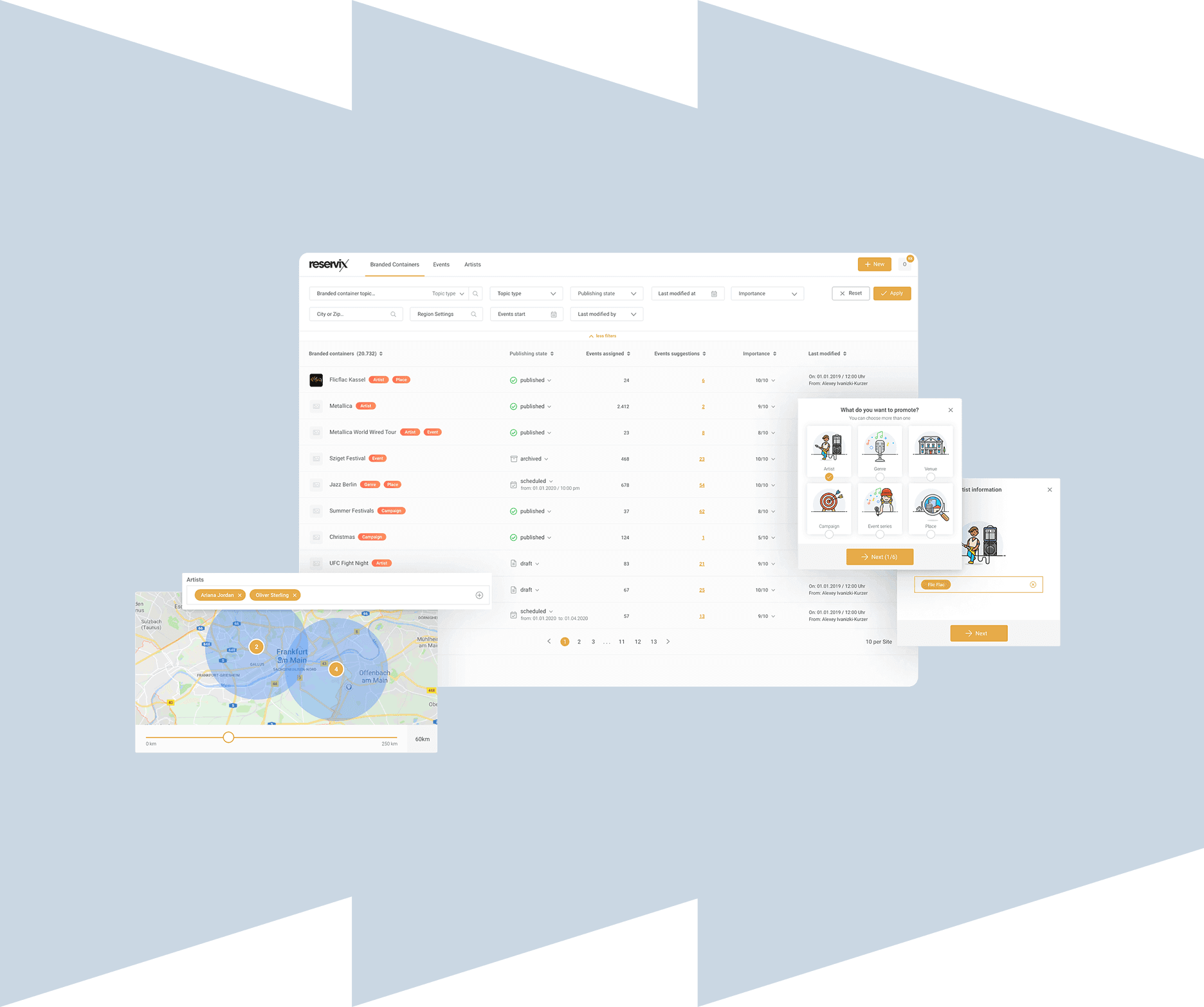
Reservix optimized its CMS for usability by using AWS services

Events
Modernization

PMG: unifying Europe’s largest pet marketplaces


After acquiring multiple marketplaces across Europe, Pet Media Group needed a unified platform to scale operations and onboard new brands faster. TSH consolidated the systems into a single architecture, enabling faster development and cross-market expansion.

  • 95% of organic traffic retained during large-scale migration

  • 400% revenue growth after platform unification and migration

PMG modernized their marketplace that is used by 7M users

Marketplace
Modernization

Authors

  • Andrzej Wysoczański

    Frontend developer with 10 years of experience. With The Software House for almost 7 years, going from a regular dev to the Head of Frontend. He loves keeping tabs on the latest frontend technologies, especially React-related. Regular of the Taby & Spacje podcast (tsh.io/taby-vs-spacje) for Polish speaking programmers.